

The Graham Children (1742), William Hogarth. A charming family portrait with a darker story beneath the surface. Look closely. Not everything is as innocent as it seems.
A Medical Tour of the National Gallery
There’s more than paint on these canvases. There’s blood, disease, dissection, diagnosis, miracle cures and death.
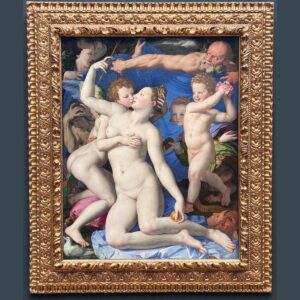
An Allegory with Venus and Cupid, Bronzino, c. 1545. Beauty, desire, deception and disease. One of the National Gallery’s most enigmatic paintings, with something distinctly sinister lurking beneath its exquisite surface.
See the National Gallery through the eyes of a doctor.
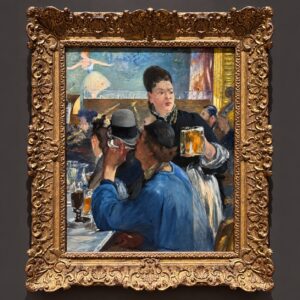
Corner of a Café-Concert, Édouard Manet, c. 1878–80. Beer, cigarettes, café society and the pleasures and perils of Parisian nightlife. A snapshot of nineteenth-century life with a fascinating medical dimension.
Michelangelo and Leonardo dissected human bodies to discover what lay beneath the skin. Saints Cosmas and Damian were physicians as well as martyrs. Angels bring miraculous cures for blindness. Memento mori whisper an uncomfortable truth: life is short.
And then there’s the darker stuff. Plague. Syphilis. Quackery. Disease hidden in plain sight. Doctors who became patrons of art. Artists whose own medical conditions may have affected what, and perhaps even how, they painted.
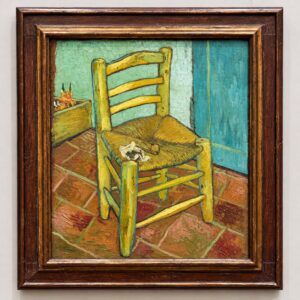
Van Gogh’s Chair (1888). An ordinary wooden chair. A pipe. A little tobacco. But what does this apparently simple painting tell us about the extraordinary, troubled man who painted it?
Look closely and some of the greatest pictures in the National Gallery become something else entirely: medical records, anatomical investigations, warnings, cures, symptoms and clues.
A fascinating new way of looking at old masters.
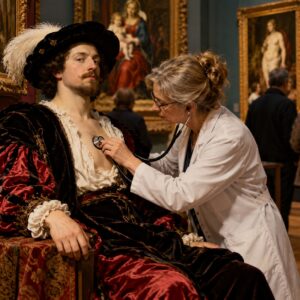
And your guide? A doctor.
Reviews
There are no reviews yet.